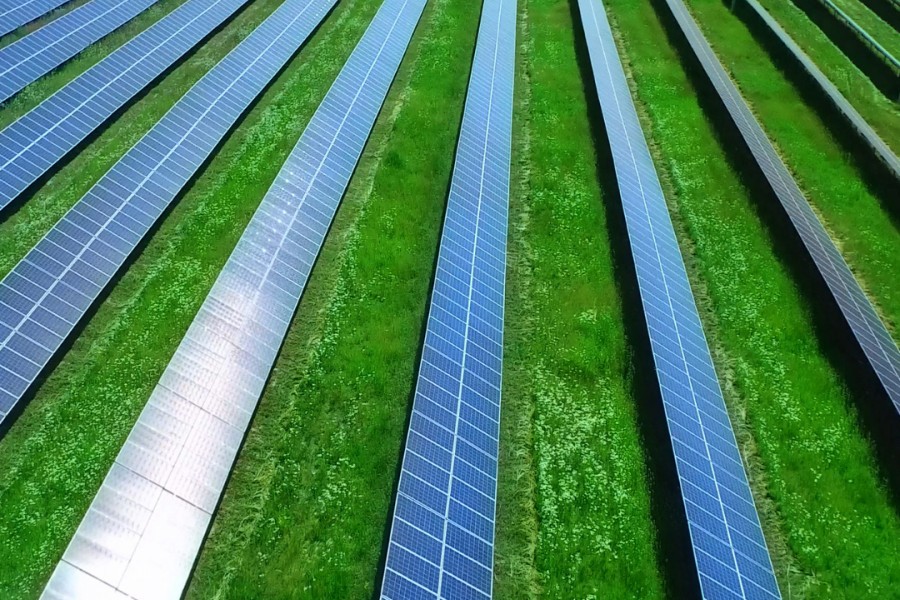
Solar Tracking Systems: How Do They Increase Solar Energy Production?
Solar tracking systems are designed to adjust solar panels to capture sunlight at the optimal angle, increasing solar energy production. In this blog post, you will learn how solar tracking systems work and how they enhance electricity generation.
Solar energy is a clean, renewable, and sustainable energy source. Photovoltaic panels convert sunlight directly into electrical energy, providing power to homes, businesses, and industries.
What Are Solar Tracking Systems and How Do They Work?
Solar tracking systems generally consist of the following components:
• Mechanical Carrier Components: Made from steel and aluminum, these carrier components are designed to account for environmental factors such as snow, wind, and earthquake loads at the installation site.
• Control System: This system processes the data received from sensors and controls the moving mechanism.
• Moving Mechanism: This mechanism moves the solar panels based on feedback received from the control system.
The solar tracking system detects the position of the sunlight through sensors. This data is processed by the control system and converted into meaningful information. The moving mechanism adjusts the solar panels to capture the maximum sunlight effectively.
Types of Solar Tracking Systems
Solar tracking systems can be classified based on the number of axes as single-axis or dual-axis.
• Single-Axis Tracking Systems: These systems move the solar panels along one axis. The movement can be daily (east-west direction) or seasonal (north-south direction).
• Dual-Axis Tracking Systems: These systems move the solar panels daily along both the east-west and north-south axes.
Advantages of Solar Tracking Systems
The main advantages of solar tracking systems include:
• Increased Electricity Production: Solar tracking systems can increase electricity production from solar energy by 15-40%, depending on factors such as the latitude of the solar power plant, the distance between the tracking systems, and direct/diffuse radiation. This increase is achieved by aligning the panels at the optimal angle to capture sunlight.
• Reduced Panel Cleaning Requirements: Solar tracking systems can help reduce the cleaning frequency of panels. Features such as wind and rain tracking can be used to optimize the amount of water falling on the panel surface during rainy weather. As a result, when tracking is not a priority, these systems can work in a way that reduces cleaning needs.
• Snow Cleaning: Solar tracking systems can measure the thickness of the snow falling on them and adjust their working angles during snowstorms to allow the snow to fall off. This increases energy production during snowy winter months.
Cost of Solar Tracking Systems
The cost of a solar tracking system varies depending on the type, size, and components used. Single-axis tracking systems are less expensive than dual-axis systems. The cost increase for single-axis solar tracking systems can range from 5% to 15%. This variation depends on factors such as project size, the elevation of the solar power plant, and panel efficiency.
Applications of Solar Tracking Systems
Solar tracking systems are generally used in ground-mounted solar power plant applications. They are impractical for non-reinforced roof installations.
Conclusion
Solar tracking systems are an effective way to increase electricity generation from solar energy. Compared to fixed-angle systems, they include more sophisticated components such as electrical, electronic, electromechanical, and software elements. Therefore, when choosing a solar tracking system, it is important to research the company's experience in this field, the diversity of their references, and how many years their field performance has been tested.
Our Product
To learn more about our domestic solar tracking system solution, Kaan Solar Maestro, please click the link for detailed information.

19.12.2025
14.10.2025
23.09.2025
Başarıarge Energy Technologies Inc.
Başarıarge Energy Technologies Inc. was founded in Ankara in 2013 as a joint subsidiary of Başarı Holding and Başarı Investments Inc. to conduct research and development (R&D) on solar energy and power generation from solar PV.
CORPORATE
QUICK CONTACT
Güzeltepe Mah. Ahmet Rasim Sk. No:11/3
06690 Çankaya / Ankara / Türkiye
+90 312 440 33 03
info@basarienerji.com

© Başarı Arge Energy 2023 | All rights reserved. Images and content may not be used without prior permission.


